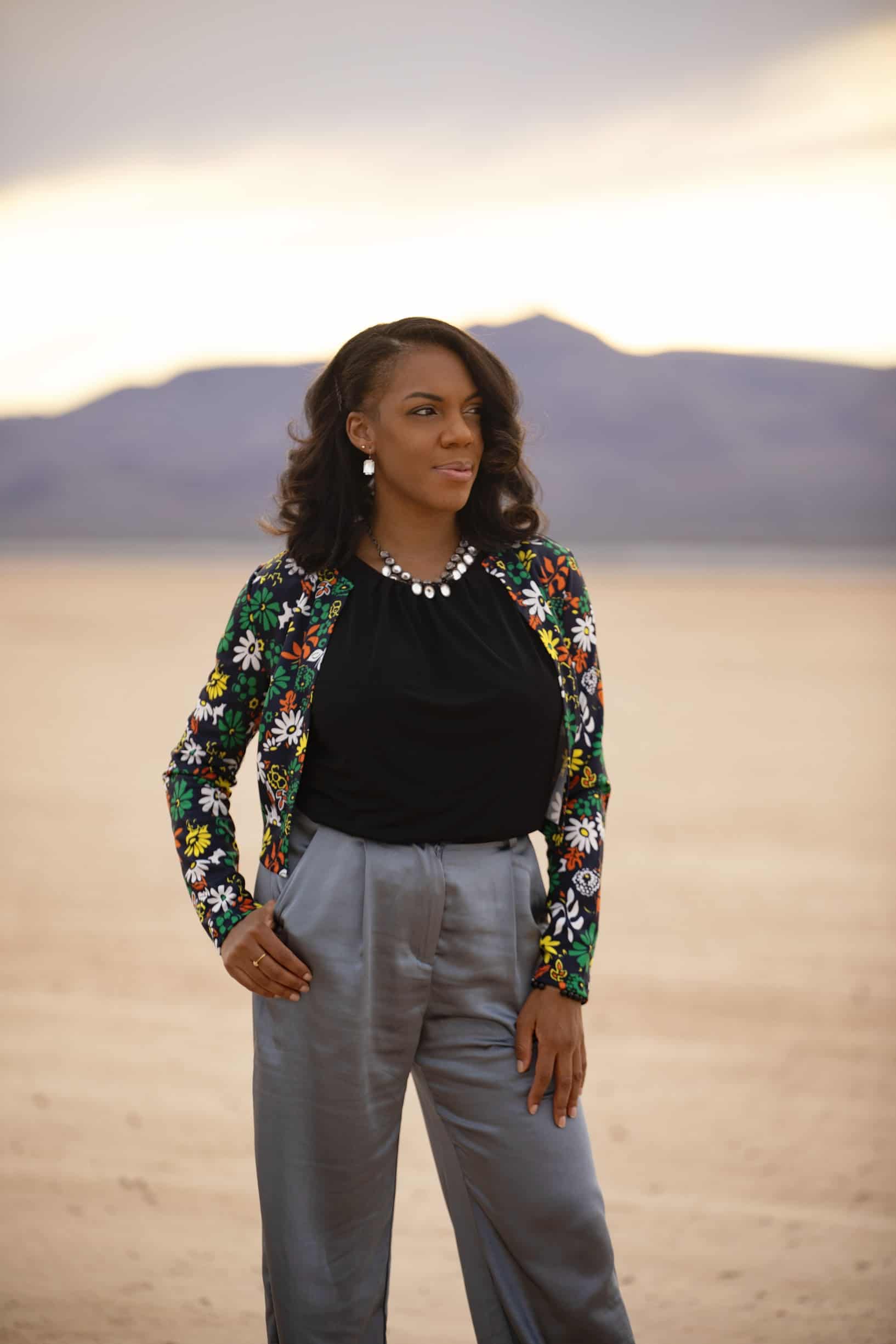
- Artwork and allure surrounding the pinup aesthetic through decades of pop culture
- The Golden Age of Pinup Art: 1940s and 50s
- The Techniques of the Masters
- The Evolution: From Magazines to Modern Art
- Pinup's Influence on Fashion and Advertising
- Contemporary Interpretations and Modern Pinup
- The Role of Online Communities and Conventions
- Pinup as a Reflection of Societal Values
- Beyond Aesthetics: The Pinup's Enduring Cultural Impact
Artwork and allure surrounding the pinup aesthetic through decades of pop culture
The aesthetic of the pinup has held a captivating influence on popular culture for nearly a century. Originating in the early 20th century, these illustrated depictions of attractive women quickly evolved from simple calendar art to a symbol of aspiration, desire, and, importantly, a reflection of changing societal norms. The images weren't merely about showcasing beauty; they represented a particular attitude and a break from traditional representations of women in art. This initial wave of pinup art largely centered around idealized feminine forms and often carried a playful, suggestive quality.
Over the decades, the pinup’s presence has permeated various aspects of art, fashion, and entertainment, experiencing different iterations and interpretations. From the wartime glamour of Gil Elvgren and Alberto Vargas, who created iconic images for magazines and military morale posters, to the more subversive and empowering representations found in modern art and advertising, the pinup has continually adapted. Understanding the pinup requires examining its historical context, its artistic evolution, and its enduring appeal, demonstrating how it has mirrored and shaped cultural perceptions of femininity and beauty.
The Golden Age of Pinup Art: 1940s and 50s
The 1940s and 1950s are widely considered the golden age of pinup art. This era benefitted from the confluence of several factors, including the rise of mass media, the impact of World War II, and a generally optimistic post-war American culture. Artists like Gil Elvgren, Alberto Vargas, and George Petty became household names, their work appearing on calendars, magazine covers, and in advertisements. These images weren't just about aesthetic appeal; they served a specific purpose. During the war, pinup art was sent to soldiers stationed overseas, acting as a powerful morale booster and a symbol of home. The art offered a sense of normalcy and a reminder of the world they were fighting to protect.
The style of pinup art during this period was characterized by its meticulous detail, vibrant colors, and a focus on the female form. Artists carefully crafted images that were both alluring and wholesome, avoiding explicit depictions while still conveying a strong sense of sensuality. The women in these illustrations were often depicted in playful poses, engaging in everyday activities, or simply radiating confidence and charm. This idealized portrayal of femininity resonated with a public eager for escapism and optimism in a world recovering from conflict. It’s a period that deeply impacted how future generations would conceptualize and interact with beauty standards.
The Techniques of the Masters
The artists responsible for the iconic pinup images of the mid-20th century weren’t simply illustrators; they were masters of technique. Gil Elvgren, for instance, was renowned for his exceptional rendering of fabrics and his ability to create a sense of realism in his paintings. He painstakingly studied the way light and shadow interacted with different materials, resulting in images that appeared incredibly lifelike. Alberto Vargas, on the other hand, was known for his use of airbrushing, which allowed him to achieve a soft, ethereal quality in his work. His paintings often featured glamorous women in exotic settings, creating a sense of fantasy and allure. George Petty’s unique style lay in his precise anatomy and his ability to depict the female form with both accuracy and grace. These details made his work stand out.
The techniques used by these artists required a high level of skill and dedication. They often spent hours perfecting every detail of their illustrations, from the curve of a lip to the fold of a dress. They also employed a variety of tools and materials, including brushes, airbrushes, and specialized paints. This painstaking approach to their craft resulted in images that continue to captivate audiences today.
| Artist | Key Style Elements | Notable Works |
|---|---|---|
| Gil Elvgren | Realism, fabric rendering, playful scenes | “Teasing”, “Full Bloom”, “Homecoming” |
| Alberto Vargas | Airbrushing, glamour, exotic settings | “Venus Rondo”, “Hollywood Hotel”, “The Hurricane” |
| George Petty | Precise anatomy, grace, classic poses | Numerous magazine covers for Brown & Bigelow |
Beyond just artistry, the commercial success of these pinup artists was heavily reliant on strategic marketing and distribution. Calendar companies like Brown & Bigelow heavily promoted their artists and artworks, ensuring wide circulation and establishing their names amongst the public. This symbiotic relationship between artist and distributor was crucial in fostering the enduring popularity of the pinup aesthetic.
The Evolution: From Magazines to Modern Art
The landscape of pinup art dramatically shifted after the 1950s. The rise of more explicit imagery in mainstream media led to a decline in the popularity of the classic pinup style. However, the aesthetic didn't disappear; it evolved. The images began to appear in men's magazines like Playboy, though often with a different focus and a more overt emphasis on sexuality. Furthermore, the influence of the pinup aesthetic began to seep into other areas of art and design. Pop artists like Andy Warhol and Roy Lichtenstein incorporated elements of pinup art into their work, challenging traditional notions of beauty and consumerism. These artists took the imagery and repurposed it, often with a critical eye towards the commercialization of the female body.
The latter part of the 20th Century saw a diversification of the pinup image, moving beyond a homogenous ideal. Artists began to explore different body types, ethnicities, and sexual orientations, challenging the conventional standards of beauty that had long dominated the pinup world. This period also saw the emergence of retro-pinup, a revival of the classic style that drew inspiration from the golden age of pinup art. The fascination with nostalgia and the aesthetic appeal of the past contributed to the growing popularity of retro-pinup.
Pinup's Influence on Fashion and Advertising
The pinup aesthetic has exerted a significant influence on both fashion and advertising throughout the decades. The clothing styles popularized by pinup art, such as fitted dresses, high-waisted swimwear, and playful accessories, have consistently reappeared in fashion trends. Designers often draw inspiration from the iconic imagery of pinup artists, incorporating elements of their style into contemporary collections. The emphasis on the female silhouette and the celebration of curves have also had a lasting impact on fashion design. Advertising, too, has frequently employed the pinup aesthetic to sell products.
Brands have utilized images of attractive women in suggestive poses and settings to capture the attention of consumers. While contemporary advertising practices are often more nuanced and socially conscious, the underlying principles of using visual appeal to create desire remain the same. The pinup’s legacy is therefore visible in the broader cultural sphere as a subtle but persistent influence.
- The hourglass silhouette has remained a desirable form in fashion.
- Vintage swimwear designs frequently mirror those seen in classic pinup art.
- Advertising campaigns often employ suggestive imagery to evoke a sense of glamour.
- Pinup-inspired makeup looks, like red lipstick and winged eyeliner, are timeless classics.
The enduring appeal of the pinup aesthetic lies, in part, in its ability to tap into a sense of nostalgia and fantasy. The images evoke a bygone era of glamour, optimism, and carefree living.
Contemporary Interpretations and Modern Pinup
Today, the pinup aesthetic continues to thrive, albeit in new and evolving forms. The modern pinup movement embraces inclusivity and body positivity, challenging the traditional standards of beauty that once dominated the genre. Contemporary pinup models come in all shapes, sizes, and ethnicities, reflecting the diversity of the modern world. This shift represents a significant departure from the idealized images of the past. Modern pinup doesn’t simply replicate historical imagery; it reinterprets it. It’s a space where self-expression, confidence, and empowerment are prioritized.
Social media platforms have played a crucial role in the resurgence of the pinup aesthetic. Online communities and hashtags allow enthusiasts to connect, share their work, and celebrate the pinup lifestyle. The accessibility of these platforms has democratized the genre, allowing anyone with an interest in pinup art to participate and contribute. This has fostered a vibrant and dynamic community that is constantly pushing the boundaries of the pinup aesthetic and actively challenging traditional stereotypes. This has led to a more globalized and diverse pinup community.
The Role of Online Communities and Conventions
Online communities dedicated to pinup culture provide a space for enthusiasts to connect, share their creations, and learn from one another. These platforms often feature forums, galleries, and tutorials, offering a wealth of information and inspiration. Pinup conventions, held around the world, bring together models, artists, and fans to celebrate the pinup lifestyle. These events typically include competitions, workshops, and vendor booths, providing opportunities for attendees to showcase their talents and connect with like-minded individuals.
These conventions serve as a showcase for creativity and innovation. They also offer a platform for emerging artists and models to gain exposure and build their careers. The sense of community and camaraderie at these events is one of the most appealing aspects of the modern pinup movement. It demonstrates the community's support for expanding the cultural impact of the pinup style.
- Attend a pinup convention to immerse yourself in the culture.
- Follow pinup artists and models on social media.
- Explore online forums and communities dedicated to pinup art.
- Experiment with pinup-inspired makeup and fashion.
Pinup as a Reflection of Societal Values
Throughout its history, the pinup has served as a mirror reflecting prevailing societal values and attitudes towards femininity, sexuality, and beauty. In the 1940s and 1950s, the pinup aesthetic embodied a sense of optimism and domesticity, representing the ideal American woman as wholesome, alluring, and supportive of the troops. As societal norms began to shift in the 1960s and 1970s, the pinup aesthetic became more provocative and challenging, reflecting a growing sense of sexual liberation. The images challenged conventional expectations and pushed boundaries.
Today, the modern pinup aesthetic embraces inclusivity and empowerment, celebrating diversity and challenging traditional beauty standards. This evolution reflects a broader cultural shift towards greater acceptance and representation. The pinup, therefore, is not merely a static image; it's a dynamic and ever-changing reflection of our evolving values and beliefs, constantly adapting to and influencing the cultural landscape surrounding it.
Beyond Aesthetics: The Pinup's Enduring Cultural Impact
The allure of the pinup extends beyond mere visual attraction; it's a cultural phenomenon steeped in history and symbolism. Its ongoing presence in art, fashion, and media isn’t simply about nostalgia. It speaks to a deeper human fascination with ideals of beauty, agency, and self-presentation. Consider the recent resurgence of vintage aesthetics in popular culture – a direct echo of the pinup's influence, albeit modernized and recontextualized. This is observable in the prominence of vintage-inspired clothing lines, retro-themed photography, and the DIY culture surrounding styling and makeup.
Moreover, the pinup serves as a fascinating case study in the evolution of advertising and the power of visual imagery to shape consumer desires. The deliberate crafting of these images, their dissemination, and their lasting impact highlight the complex relationship between art, commerce, and societal expectations. It's a conversation that continues evolving, particularly as we navigate increasingly diverse representations of beauty and feminine ideals in the modern world. The continuing evolution of the pinup aesthetic suggests its cultural relevance extends far into the future.